Introduction
Modern bathrooms demand products that are durable, corrosion-resistant, visually appealing, and manufactured with exceptional precision. From faucet handles and shower controls to towel holders and decorative accessories, every component must perform reliably in humid conditions while maintaining an attractive finish for years.
Manufacturers continuously seek production methods that combine quality, efficiency, and affordability. One process that consistently meets these requirements is zinc die casting for sanitary and bathware. It enables the production of complex shapes with tight tolerances, smooth surfaces, and excellent mechanical strength, making it one of the most widely used manufacturing methods for bathroom hardware.
This guide explores why zinc die casting has become the preferred choice for sanitary and bathware products, its manufacturing process, key applications, and the factors manufacturers should consider when selecting this production method.
What Makes Zinc Die Casting for Sanitary and Bathware Ideal?
Bathroom environments expose products to water, steam, cleaning chemicals, and daily use. Materials used for these applications must resist corrosion while maintaining their appearance and structural integrity.
Some of the major advantages include:
- Excellent corrosion resistance
- High dimensional accuracy
- Smooth surface finish
- Strong mechanical properties
- Long product life
- Reduced machining requirements
- Cost-effective production for large volumes
- Compatibility with decorative finishes such as chrome and nickel plating
These characteristics make zinc alloys particularly suitable for producing both functional and decorative bathroom components.
Applications of Zinc Die Casting for Sanitary and Bathware
The versatility of zinc die casting allows manufacturers to create products with intricate designs and consistent quality.
Common applications include:
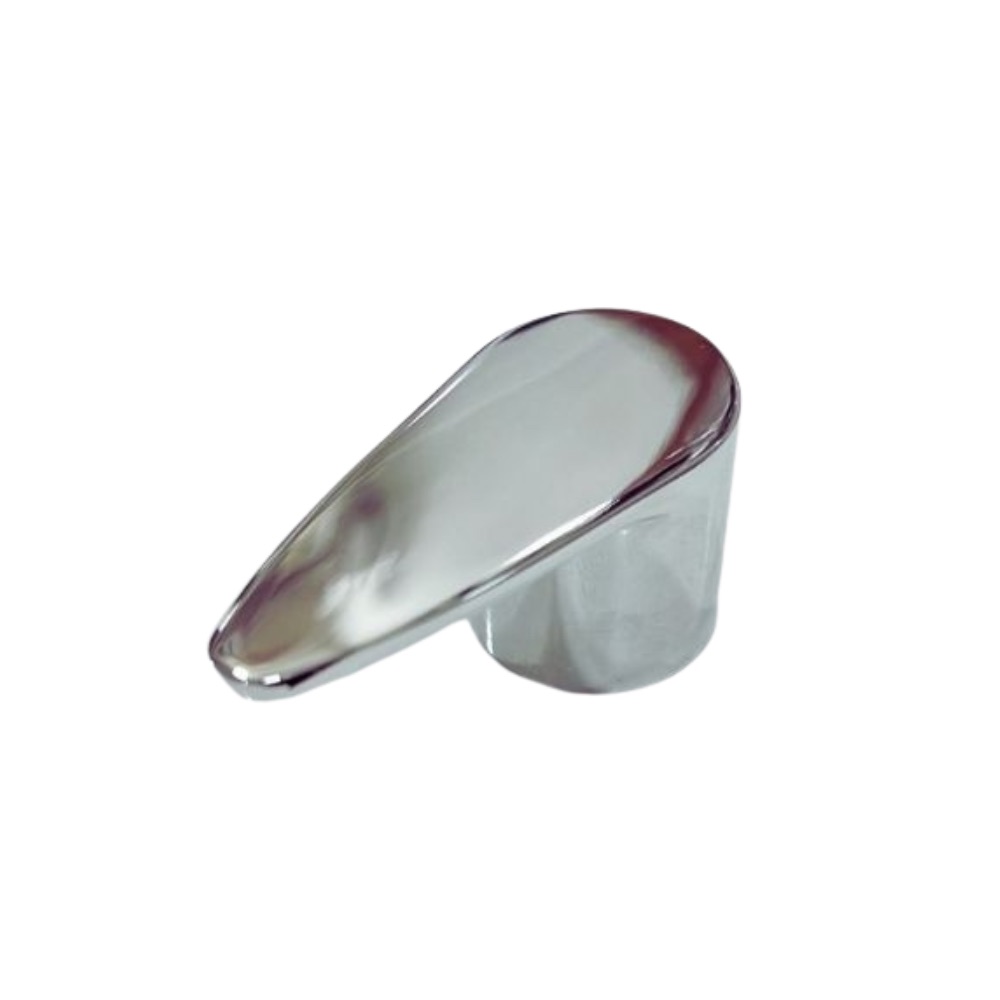
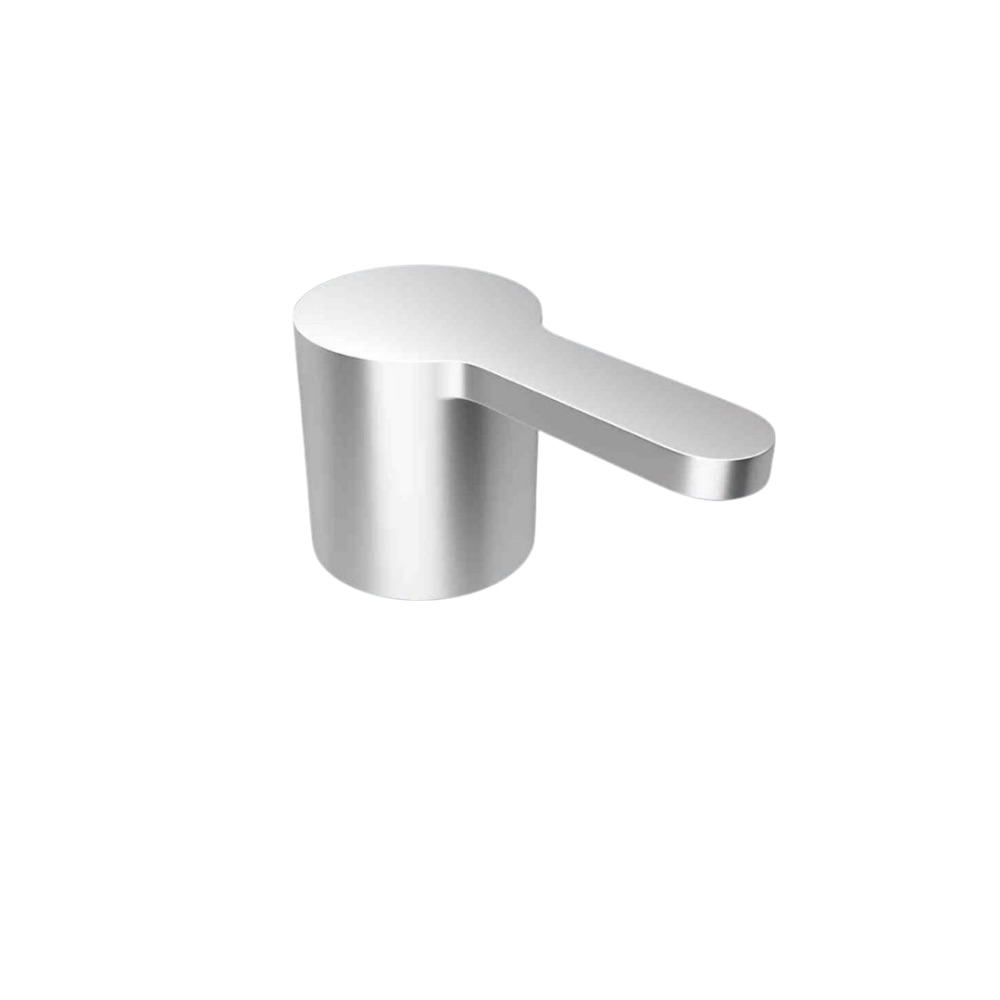
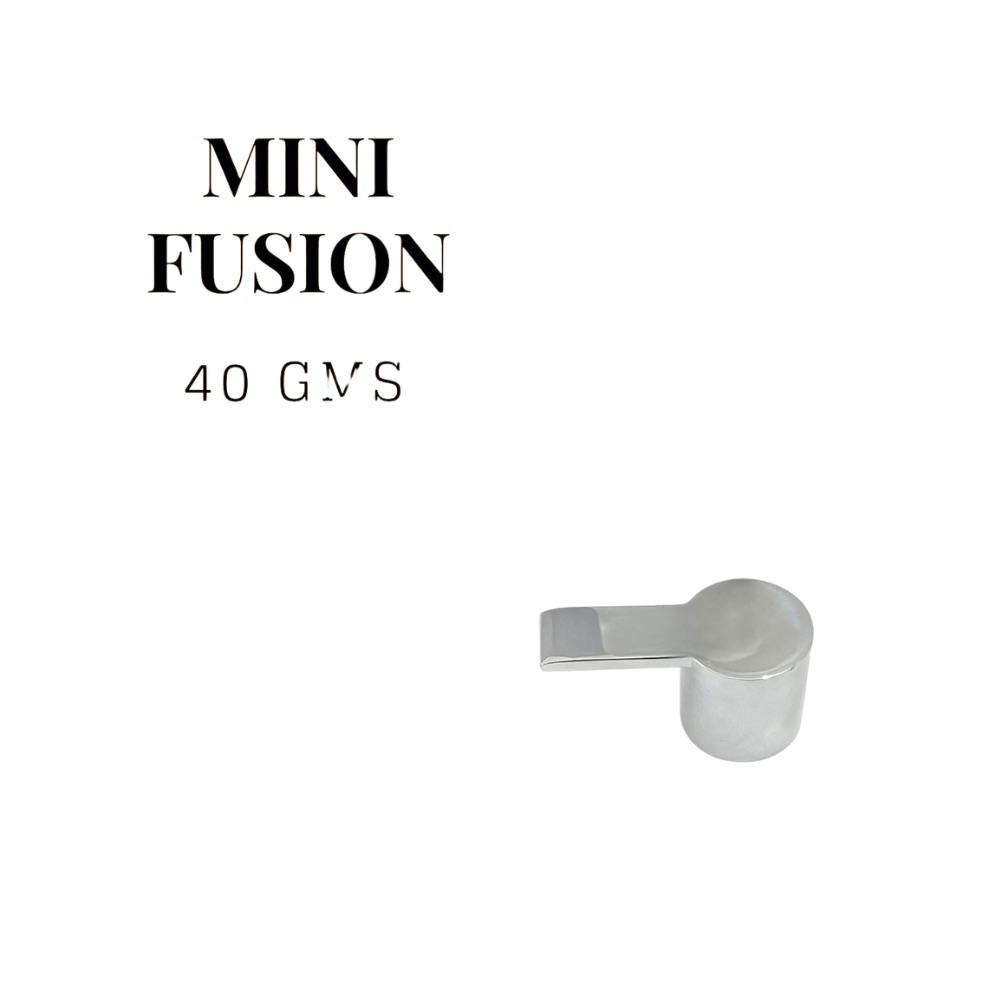
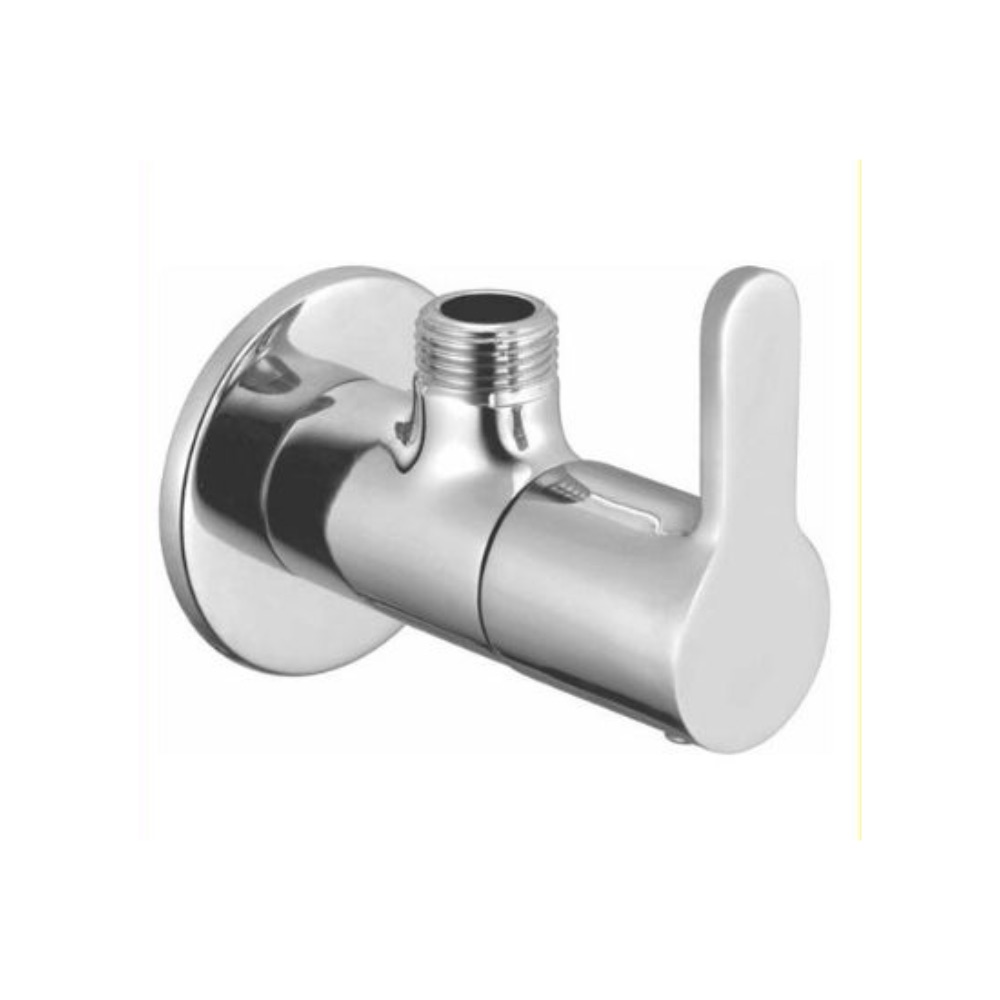
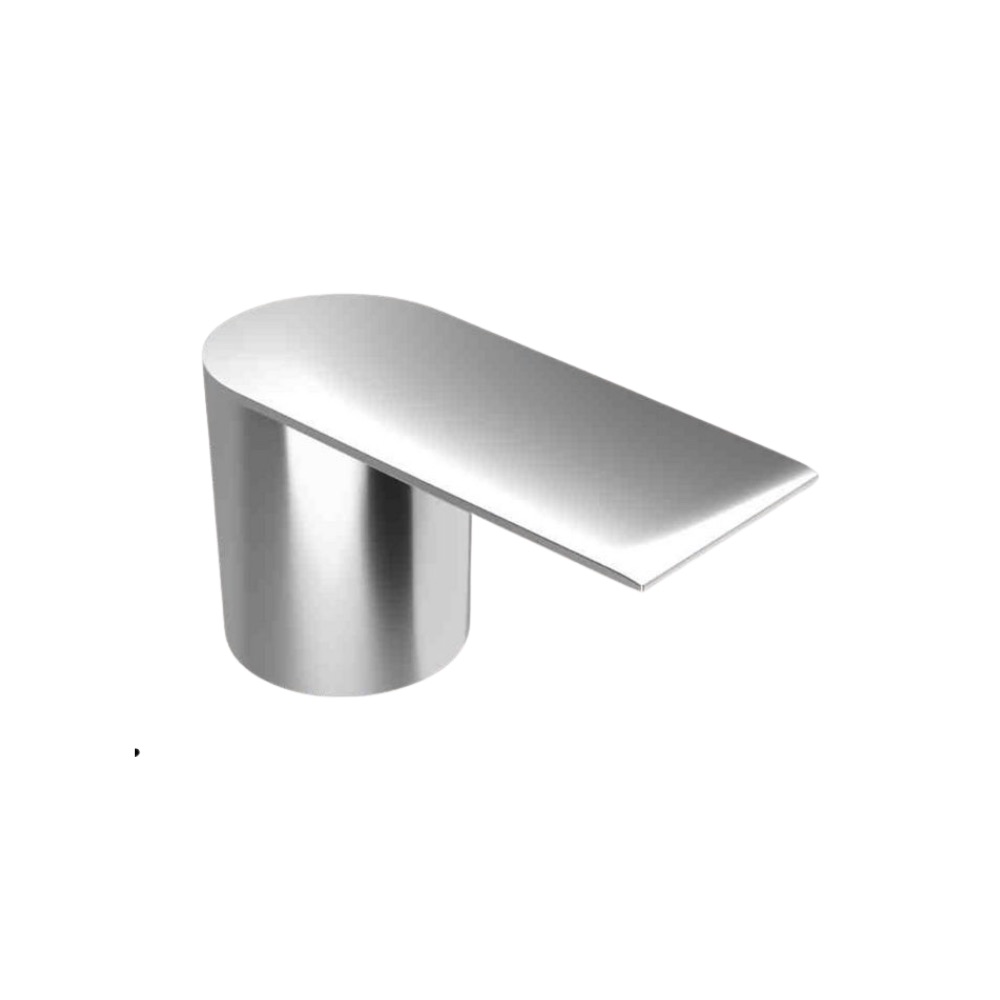
- Faucet handles
- Mixer levers
- Shower knobs
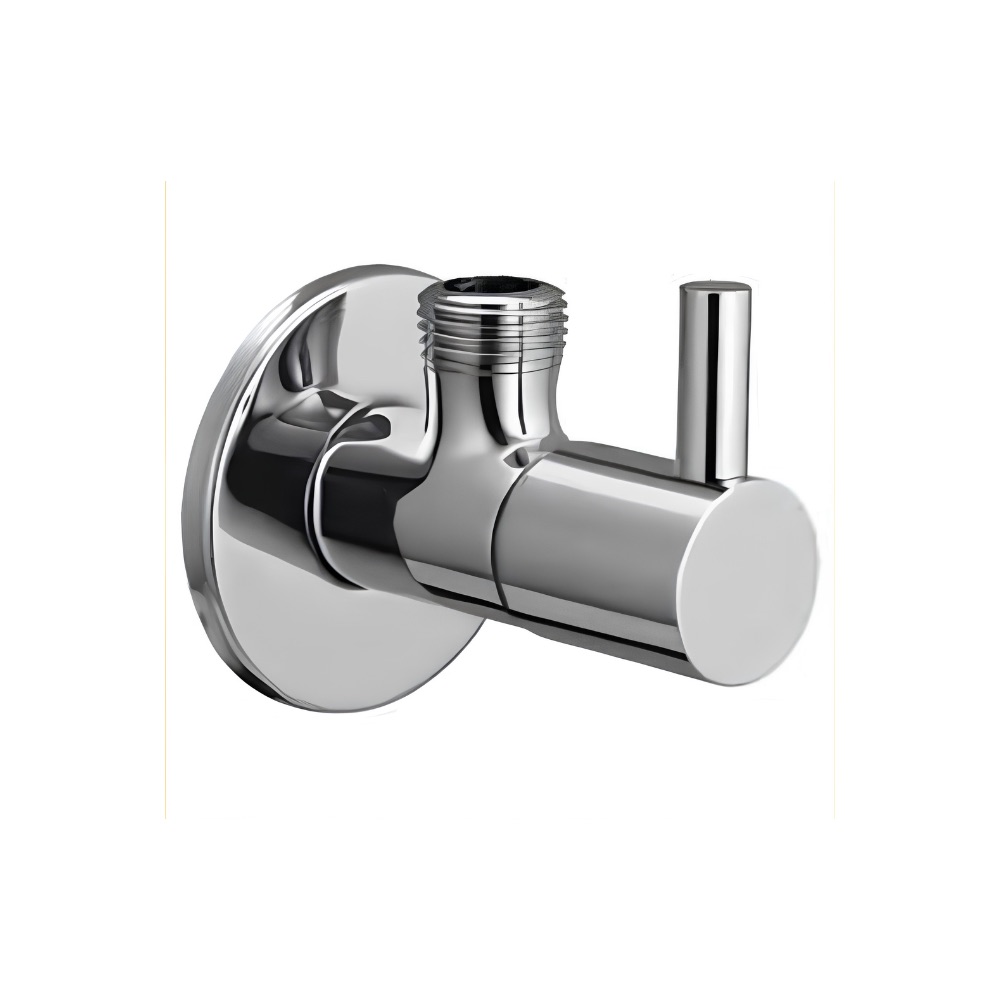
- Diverter controls
- Soap dish brackets
- Towel rod supports
- Robe hooks
- Flush system components
- Wall mounting hardware
- Decorative bathroom accessories
Because the process produces accurate dimensions with minimal variation, many manufacturers rely on it for both premium and mass-market Zinc Die Casting for Sanitary and Bathware products.
Benefits of Zinc Die Casting for Sanitary and Bathware
Appearance is just as important as performance in modern Zinc Die Casting for Sanitary and Bathware products.
The process offers several advantages that contribute to long-term durability and visual appeal.
Corrosion Resistance
Zinc alloys naturally resist moisture, making them well suited for bathrooms where humidity levels remain high throughout the year.
Premium Surface Finish
The smooth surface produced during casting provides an excellent base for chrome plating, powder coating, nickel plating, or other decorative finishes.
Precision Engineering
Tight dimensional tolerances ensure moving parts fit accurately, reducing assembly issues and improving product reliability.
Long Service Life
Well-manufactured zinc components maintain their strength and appearance even after years of regular use.
Manufacturing Process of Zinc Die Casting for Sanitary and Bathware
Understanding how Zinc Die Casting for Sanitary and Bathware components are produced helps explain their quality and consistency.
Step 1 – Product Design
Engineers create a design based on the required dimensions, functionality, and aesthetic requirements.
Step 2 – Tool Development
A precision die is manufactured to ensure repeatable production with minimal variation.
Step 3 – High Pressure Casting
Molten zinc alloy is injected into the die under high pressure, filling every detail of the mould.
Step 4 – Trimming
Excess material is removed after casting to achieve the desired shape.
Step 5 – Secondary Operations
Depending on the application, drilling, tapping, machining, or polishing may be performed.
Step 6 – Surface Finishing
Products are prepared for decorative or protective coatings such as chrome plating or powder coating.
Step 7 – Quality Inspection
Finished components undergo dimensional checks, visual inspection, and functional testing before packaging.
Zinc Die Casting vs Other Manufacturing Methods
| Feature | Zinc Die Casting | Traditional Casting |
|---|---|---|
| Dimensional Accuracy | Excellent | Moderate |
| Surface Finish | Smooth | Usually Requires Additional Finishing |
| Production Speed | High | Lower |
| Tool Life | Long | Varies |
| Production Cost | Economical for High Volumes | Higher Per Component |
| Design Complexity | Excellent | Limited |
For large production runs requiring consistent quality, zinc die casting offers significant advantages over many traditional manufacturing methods.
Common Zinc Alloys Used for Bathroom Hardware
Different zinc alloys provide unique mechanical and casting characteristics.
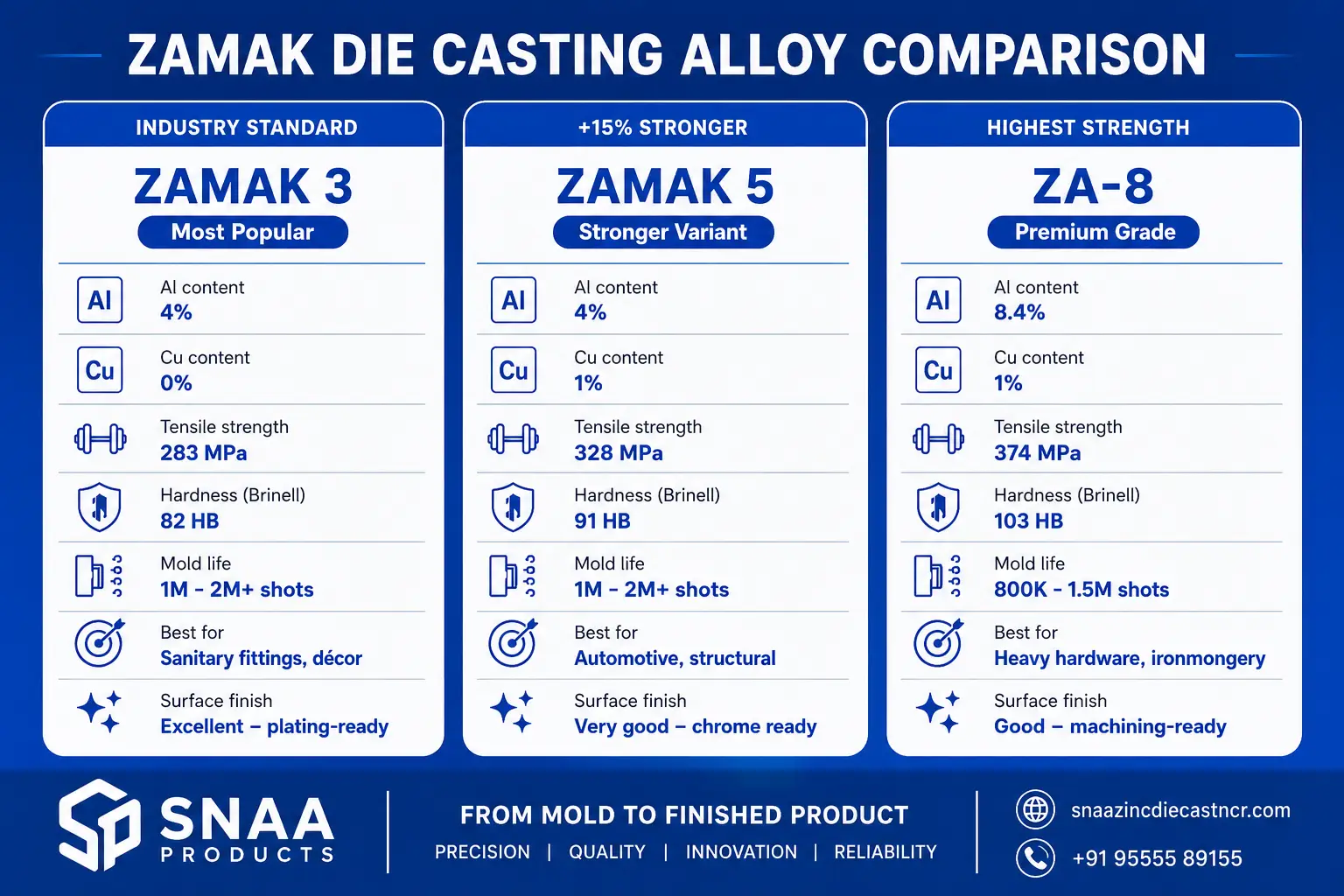
Zamak 3
Widely used because of its excellent balance of strength, dimensional stability, and castability.
Zamak 5
Offers improved strength and hardness, making it suitable for components subjected to higher loads.
Selecting the right alloy depends on product design, finishing requirements, and expected service conditions.
Factors to Consider When Choosing a Manufacturing Partner
Selecting the right production partner is essential for maintaining consistent product quality.
Important factors include:
- Modern die casting machinery
- In-house tooling capability
- Quality inspection systems
- Surface finishing options
- Experience with bathroom hardware
- Production capacity
- Engineering support
- Timely delivery
- Consistent dimensional accuracy
- Ability to manufacture custom designs
Evaluating these capabilities helps ensure reliable production and long-term business success.
Future Trends in Bathroom Hardware Manufacturing
The industry continues to evolve as manufacturers adopt smarter production methods and sustainable materials.
Emerging trends include:
- Lightweight component designs
- Automated production lines
- Improved recycling of zinc alloys
- Better energy-efficient manufacturing
- Higher precision tooling
- Enhanced decorative finishes
- Sustainable production practices
These developments are helping manufacturers produce products that are both environmentally responsible and commercially competitive.
Conclusion
Choosing the right manufacturing process has a direct impact on the performance, durability, and appearance of bathroom hardware. Zinc die casting continues to be one of the most reliable solutions because it combines precision, strength, corrosion resistance, and cost efficiency in a single process.
Whether manufacturing faucets, shower fittings, towel holders, or decorative accessories, this production method supports consistent quality and efficient large-scale manufacturing. As demand for premium sanitary products continues to grow, zinc die casting remains a preferred solution for manufacturers focused on reliability, design flexibility, and long-term performance. You can also connect with SNAA Products for the best zinc die-casting services.
Frequently Asked Questions
Why is zinc commonly used for sanitary and bathware products?
Zinc provides excellent corrosion resistance, high strength, precise dimensions, and a smooth surface suitable for decorative finishes, making it ideal for bathroom environments.
What products are manufactured using zinc die casting?
Common products include faucet handles, mixer levers, shower controls, towel holders, soap dish brackets, robe hooks, flush system components, and decorative bathroom accessories.
Which zinc alloy is most commonly used?
Zamak 3 is the most widely used alloy because it offers excellent castability, dimensional stability, and mechanical performance. Zamak 5 is often selected when higher strength is required.
Can zinc die cast parts be chrome plated?
Yes. Zinc provides an excellent base for chrome plating, nickel plating, powder coating, and other decorative finishes that improve both appearance and corrosion resistance.
Is zinc die casting suitable for large-scale production?
Yes. The process is designed for high-volume manufacturing and produces consistent components with excellent repeatability and minimal variation.
How does zinc die casting compare with plastic components?
Zinc components generally offer greater strength, longer service life, better heat resistance, and a more premium appearance than plastic alternatives.
Is zinc an environmentally friendly material?
Yes. Zinc is highly recyclable, and recycled zinc can be reused in manufacturing without significantly reducing its material properties.
What factors affect the quality of zinc die cast components?
Quality depends on die design, alloy selection, process control, machine precision, surface finishing, and comprehensive quality inspections throughout production.