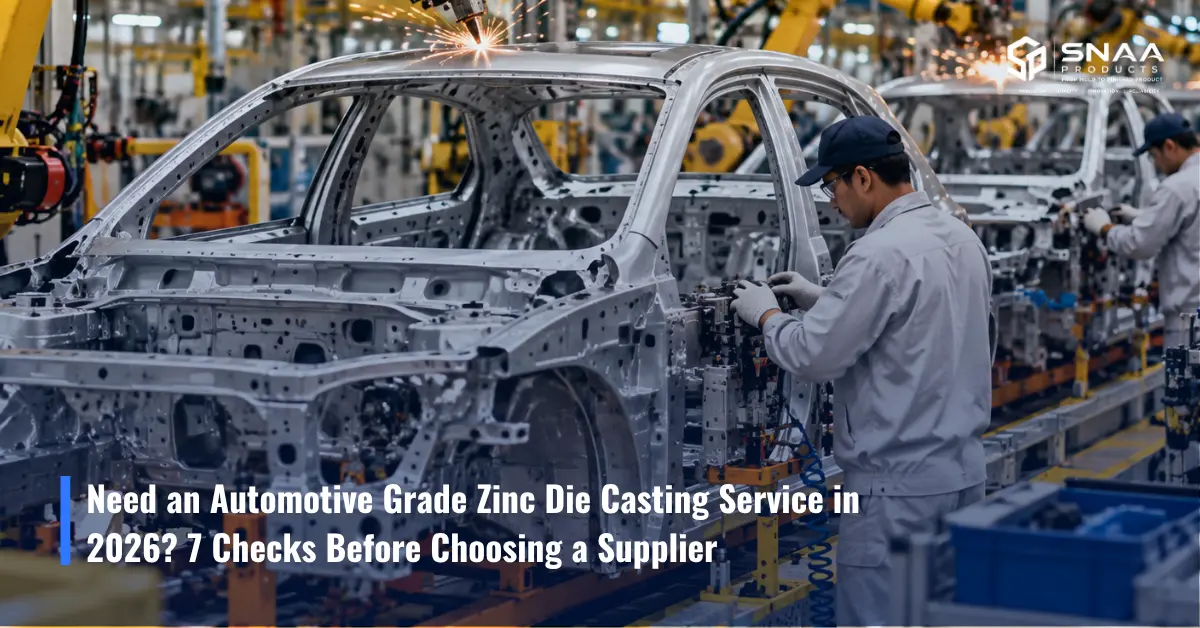
Choosing a reliable auto cast components supplier is important for automotive manufacturers seeking consistent component quality, accurate dimensions and dependable production. From door handles and lock housings to brackets, emblems and electrical components, cast metal parts must meet the requirements of their intended application.
For OEMs and Tier-1 suppliers, selecting a manufacturing partner involves more than comparing prices. Material selection, casting capability, dimensional inspection, surface finishing, production volume and delivery planning all influence the final result.
SNAA Products has manufactured zinc die cast components since 1996 from Bawana, Delhi NCR. The company serves automotive and other industrial sectors with custom zinc die casting, machining and surface finishing. This guide explains what automotive buyers should evaluate before selecting a supplier.
What Does an Auto Cast Components Supplier Do?
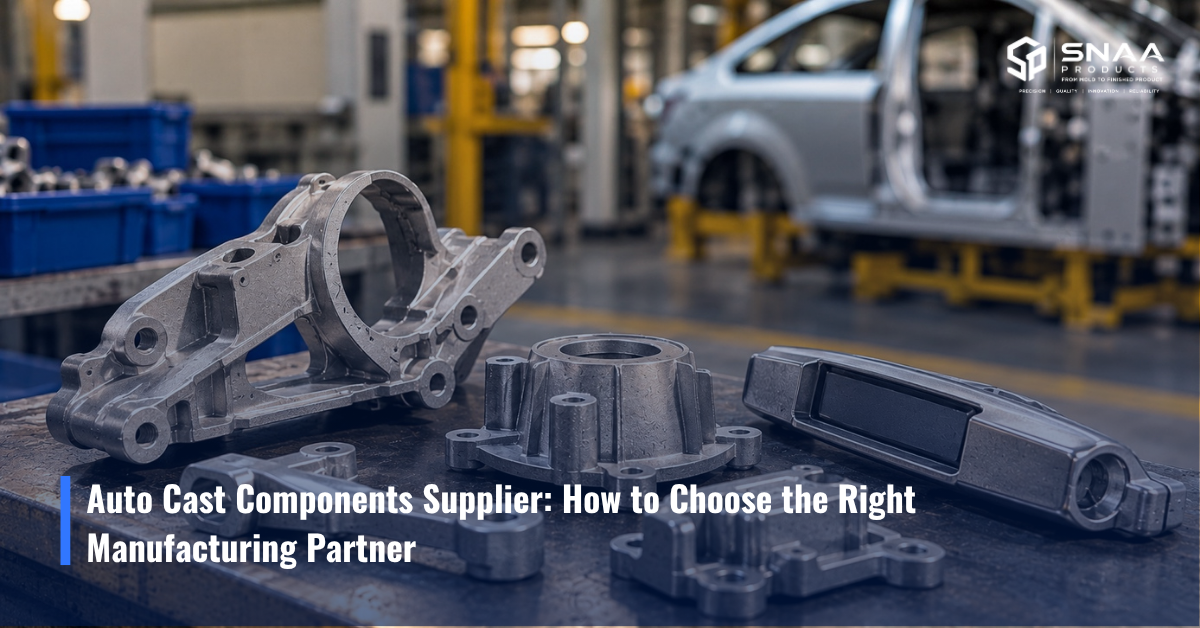
An auto cast components supplier manufactures metal parts for automotive applications using casting processes suited to the component’s design and material requirements.
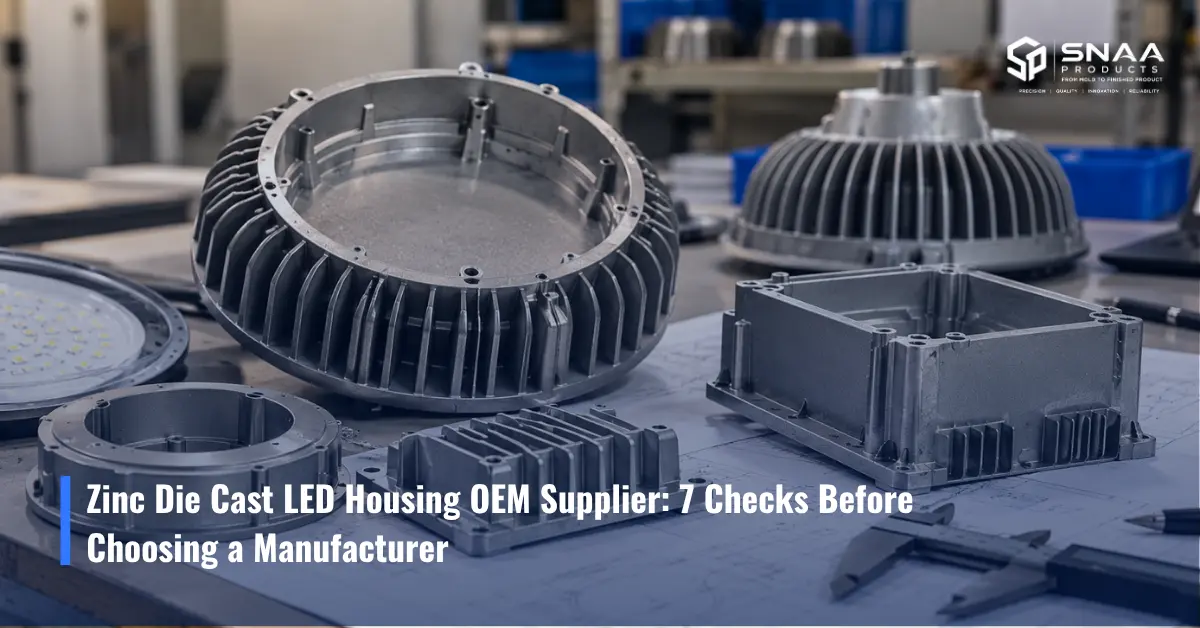
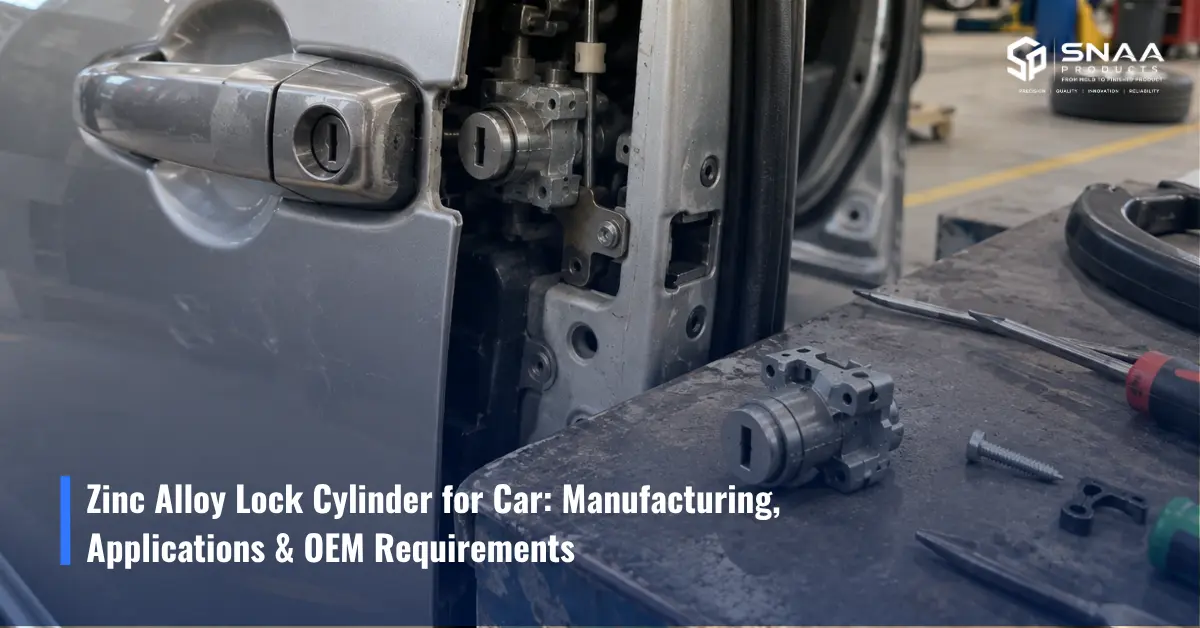
Depending on the application, components may include door handles, mirror brackets, carburettor parts, fuel-system components, lock housings, battery terminal connectors and decorative emblems.
The correct manufacturing process depends on the component’s geometry, material, mechanical requirements, operating environment and production quantity. Zinc die casting is particularly relevant for selected components requiring detailed shapes, dimensional accuracy and an attractive surface finish.
SNAA Products specialises in zinc die cast components. Buyers seeking an auto cast components supplier should confirm that the proposed material and manufacturing process are appropriate for their specific automotive application.
7 Factors to Evaluate Before Selecting an Auto Cast Components Supplier
1. Material Selection and Application Suitability
Material selection affects component strength, weight, corrosion behaviour, dimensional characteristics and finishing options. The alloy must suit the part’s actual function rather than being selected on price alone.
SNAA Products lists Zamak 3 and Zamak 5 among the zinc alloys used for its custom components. These alloys can be considered for suitable automotive hardware, decorative parts and functional components, depending on the engineering specification.
Before approving an auto cast components supplier, provide the required material grade, operating conditions, mechanical requirements and any applicable customer specifications. Confirm that the proposed material meets the intended application requirements.
2. Casting Capability and Component Complexity
Automotive components can contain mounting points, ribs, holes, contours and other features that affect manufacturing feasibility. The casting process and machine capacity must suit the component’s geometry and production requirements.
SNAA Products publishes four hot-chamber zinc die casting machines ranging from 30T to 160T. Its stated component range is approximately 0.1 grams to 1.5 kilograms, subject to factors such as geometry, wall thickness, projected area, tooling design and alloy selection.
When evaluating an auto cast components supplier, share drawings or CAD files early. This allows the manufacturer to review feasibility, identify critical features and discuss any design changes needed before production.
3. Dimensional Accuracy and Quality Inspection
Automotive parts must fit their mating components and perform according to the approved design. Variations in mounting holes, threads, contact surfaces or external dimensions can create assembly difficulties.
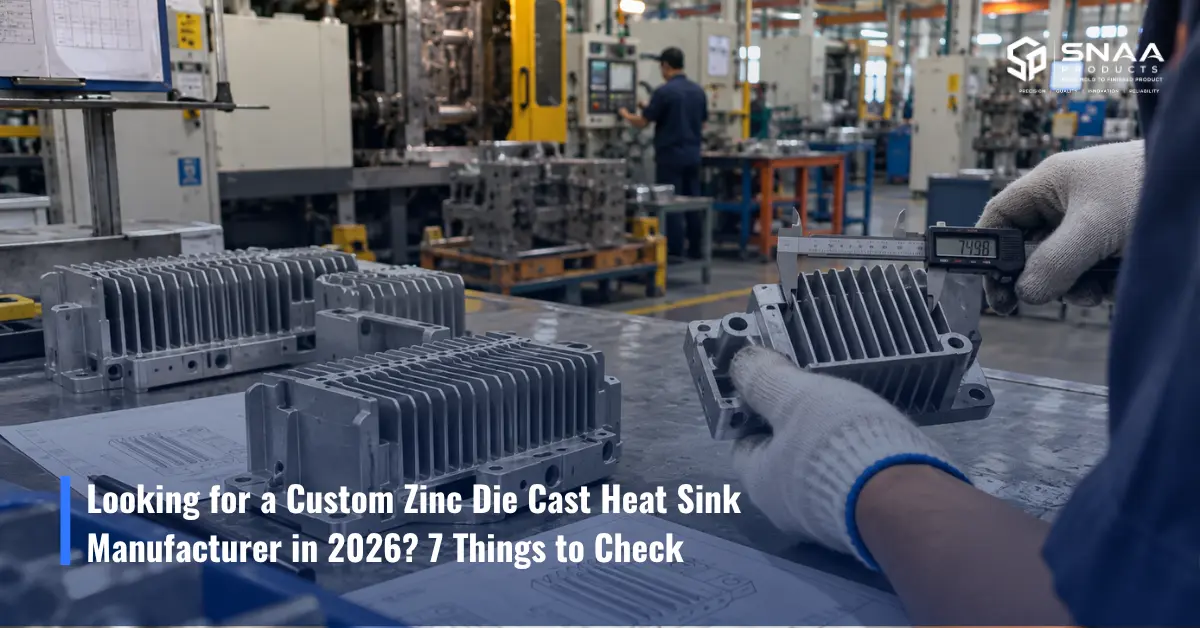
Define critical dimensions and tolerances on the engineering drawing. Ask how measurements will be taken, what inspection records are available and how non-conforming components will be handled.
SNAA Products describes quality checks that include incoming alloy verification, in-process dimensional checks, inspection before finishing and final inspection before dispatch. These checks should be aligned with the customer’s drawing and agreed acceptance criteria.
A capable auto cast components supplier should be able to discuss quality expectations before production begins, rather than leaving inspection requirements until the final stage.
4. Machining and Surface Finishing
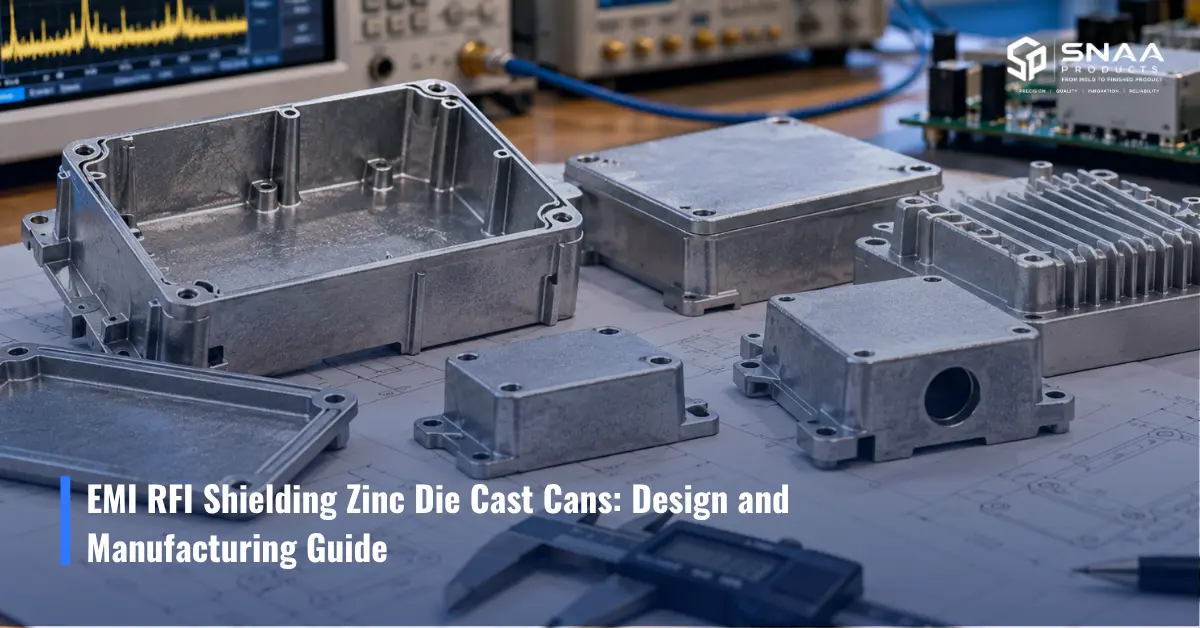
Casting alone may not complete a component. Depending on the design, additional operations such as drilling, tapping, threading, turning or deburring may be required.
Surface finishing can also influence appearance, corrosion protection and compatibility with the surrounding assembly. SNAA Products lists options including chrome electroplating, nickel plating, powder coating, liquid painting and other finishing processes for relevant components.
Specify the required finish, colour, gloss, coating coverage and any surfaces that must remain uncoated. Confirm the availability and suitability of each operation before placing an order with an auto cast components supplier.
5. Custom Manufacturing and Engineering Drawings
OEM projects often require parts designed around a specific vehicle, assembly or mechanical function. Standard catalogue products may not meet the required dimensions or interfaces.
SNAA Products accepts custom component requirements based on customer drawings, CAD files, samples and technical specifications. Buyers should provide the latest approved revision and identify any critical-to-quality features.
Before production, agree on sample approval, design-change procedures, tooling responsibilities and the documentation required for repeat orders. Clear technical communication reduces the risk of misunderstandings during manufacturing.
6. Production Capacity and Delivery Planning
A successful sample does not automatically establish that a supplier can support every production schedule. Buyers must evaluate batch size, expected annual demand, repeatability, packaging and lead times.
Discuss forecast volumes, minimum order quantities and the timing of initial and repeat orders. Confirm whether the proposed schedule accounts for sample approval, finishing, inspection and transport.
An experienced auto cast components supplier should provide a realistic timeline based on the actual component and order requirements. Avoid relying on general delivery promises without a confirmed production plan.
7. Total Cost and Long-Term Supplier Value
The lowest quoted price may not represent the lowest overall project cost. Tooling, machining, surface finishing, inspection, rejected parts, packaging and logistics can all affect the total cost.
Request quotations against the same drawing and specification. Ask suppliers to identify tooling charges, unit pricing, finishing costs, minimum order quantities and delivery terms clearly.
For long-term sourcing, also consider communication, quality documentation, production consistency and the supplier’s ability to manage repeat orders. These factors help procurement teams make a more informed comparison.
Why Consider SNAA Products for Automotive Zinc Die Casting?
SNAA Products is a zinc die casting manufacturer based in Bawana, Delhi NCR, with manufacturing experience dating to 1996.
Its published automotive component range includes door handles, carburettor components, brackets, headlight bezels, seat belt buckles, emblems, battery terminal connectors and other custom parts. Manufacturing services include zinc die casting, machining and surface finishing.
For buyers assessing an auto cast components supplier, SNAA Products can be considered for relevant zinc die cast component requirements. The specific alloy, design feasibility, production capacity, inspection requirements and finishing options should be confirmed against the buyer’s specification.
To begin an enquiry, prepare the engineering drawing or CAD file, material requirements, critical dimensions, expected quantity and required finish. Visit the official SNAA Products website to discuss the project.
Conclusion
Selecting an auto cast components supplier requires a structured assessment of material suitability, casting capability, dimensional accuracy, finishing, quality inspection and delivery planning.
For components suited to zinc die casting, SNAA Products offers manufacturing experience dating to 1996, custom component production, machining and multiple finishing options. Share your technical requirements with the team to establish whether the proposed component is suitable for manufacture.
Frequently Asked Questions
1. What should I look for in an auto cast components supplier?
Evaluate material suitability, casting capability, dimensional inspection, finishing options, production capacity, lead times and the supplier’s ability to manufacture according to approved drawings.
2. Which automotive components can be made using zinc die casting?
Depending on the design, zinc die casting can be used for selected door handles, lock housings, brackets, emblems, carburettor components and other automotive hardware. Suitability must be assessed for each application.
3. Does SNAA Products manufacture custom automotive components?
SNAA Products manufactures custom zinc die cast components based on customer drawings, CAD files, samples and technical specifications. Contact the company to confirm feasibility for your part.
4. What information is needed for a quotation?
Provide a drawing or CAD file, alloy requirements, critical dimensions, surface finish, quantity, inspection criteria and delivery expectations.
5. How can buyers compare supplier quotations fairly?
Use the same approved technical specification for every quotation. Compare tooling, unit price, machining, finishing, inspection, packaging, lead time and delivery terms before making a decision.